For pilots
An empty seat costs you exactly what a full one does
The aircraft is booked, the weather is read and you are going. Three empty seats behind you cost the same as three full ones — the only thing they change is how much of the hour you carry alone.
- Free to publish
- The share is yours in full
- You stay pilot in command
What it saves you
Put your own rate in and see
Cost sharing splits the direct costs of a flight — the hour on the aircraft, the fuel, the landing fee — over everybody on board, you included. You are not selling seats; you are carrying a smaller part of a flight you were making anyway.
- The divisor is the number of people on board, and you are one of them.
- Nothing may be left over for you — a flight that turns a profit is a different licence.
- A passenger may never be asked more than half of what the flight costs.
- Rightseat refuses a seat above that ceiling rather than flagging it afterwards.
- Change the flight and the split is made again; asking more needs the agreement of everybody paying it.
This flight costs
€375.00
Flying it on your own, all of that is yours.
Now you carry €125.00
The 2 seats beside and behind you carry the other €250.00 of the same hour.
Whatever you ask, a passenger may never be asked more than half of what a flight costs — €187.50 here. Rightseat will not publish a flight above that.
Three ways in
You do not need a plan to start with
A route, an afternoon, or somebody else’s question. All three end up in the same place: a flight with a free seat and a person who wants it.
-
A flight you have already planned
The date, the two fields and the aircraft you were taking anyway. Say how many seats are free and what the hour costs, and the flight is on the board.
-
An afternoon with no destination
You want to fly and you do not much mind where. Publish the day and the range instead of a route, and let the people who want to go somewhere find you.
-
Somebody who has already asked
Open route requests say where people want to go and when. Answer one with a flight — or put a question to them first, if the day or the field is not quite right.
Asked for
Where people want to go
These are open route requests: somebody has said where they want to go, when, and with how many. Answering one costs you a flight you may well have been considering anyway.
Who asked is not shown here, and neither is what they wrote. You see that when you answer them.
Every route request →Nobody is asking today — publish anyway
A flight with a free seat and no takers costs you exactly what it would have cost with the seat empty. And the people watching that route hear about it the moment it appears, which is how most of them are found.
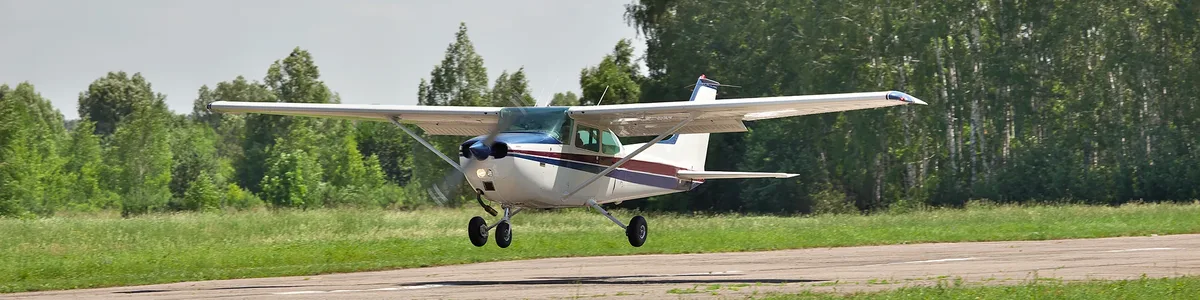
Nobody outside the aeroplane has a say in whether you go. Not the passenger, and not us.
Between publishing and flying
The admin nobody wants to do
Filling a seat privately means messages, phone numbers, a reminder somebody forgets to send and a share worked out on the back of a chart. This is that part, done for you.
Your flight goes looking
Publishing does not put a flight on a board and leave it there. Everybody whose open request runs your way hears about it that same moment.
A request you can answer with a question
Somebody asking for a seat opens a conversation, not a booking. Ask what you want to know, then accept or decline — and nobody sees a phone number until you have said yes.
Asked again shortly before you go
A flight published six weeks out rests on a statement about a day that has not arrived. Two days before, you confirm your recency once; unanswered, the seat quietly comes off the site a day later. The flight stays yours to make — only the offer of a seat ends.
The evening before, once
Everybody on board gets the field, the time in that field’s own zone, who they are flying with and what the share comes to. One mail, the day before — early enough to still change plans.
In the diary you actually use
An accepted flight comes with a calendar entry, so the morning of does not depend on anybody remembering to look at a website.
The same circuit again, without retyping it
Most of us fly the same handful of routes. Offer one again from the flight you already published, change the date, and it is out there.
Getting started
Four steps, once
Everything except publishing a seat works while your documents are being read, so you can look around from the first minute.
-
Create an account
A minute, free, and no aircraft needed yet. You can read the request board and the flights straight away.
-
Add the aircraft
Registration, type, seats and the hourly rate you are charged for it. Your own, a share, or the club’s.
-
Hand in five documents
Identity, licence and medical for you; registration and insurance for the aircraft. Once, not before every flight.
-
Publish the next flight
Route, day, free seats and the share per seat. The platform checks the share against what the flight can cost before it goes out.
Documents are stored out of public reach and served to nobody but the person who checks them. When a medical or an insurance policy runs out, publishing stops on that day — which is also what makes the badge on your profile worth anything. Safety and verification →
Three things that stay yours
The platform is the smallest thing that can put two people in one aeroplane. Everything below stays where it already was.
- Every cent of the share
- The share your passengers pay is yours in full — no commission, no percentage, no fee per seat — and they settle it with you directly.
- The go, and the no-go
- The decision is yours on the day, as it is on every other flight you make. Rightseat plans no flights, reads no weather and inspects no aircraft.
- Your papers, out of reach
- Your licence and medical are read once by a person and then kept out of reach. Passengers see that a check was passed and when it runs out — never the file, never the number.
Does this turn my flight into commercial air transport?
Not as long as you stay inside cost sharing: the direct costs of the flight, divided over everybody on board with you carrying your own share, and nothing left over for you. Rightseat works that ceiling out for your flight and refuses to publish a seat above it. What you fly, and under which licence, does not change.
What does it cost me to be here?
A pilot account is charged each year, and you see the amount before you pay anything. Publishing a flight costs nothing on top of it, there is no fee per seat, and Rightseat takes no percentage of your direct costs.
Who decides whether the flight goes?
You do, as pilot in command, exactly as on any other flight. The planning, the weather and the state of the aircraft are yours, and so is the go or the no-go. Every passenger reads that before they ask for a seat and again when you accept them.
Can I choose who comes along?
Always. A seat request is a question rather than a booking: you see who is asking, you can put questions to them first, and you may decline without giving a reason. Nothing is reserved until you say yes, and nothing is owed if either of you changes their mind.
May I use a club or school aircraft?
That depends on your club or the operator, not on us. Rightseat supports privately owned, shared and club aircraft, and asks for the registration and the insurance either way. Whether the owner allows cost-shared flights is a question to put to them before you publish.
What do I have to hand in before I can publish?
Proof of identity, your licence and your medical, plus the registration and insurance of the aircraft. A person looks at them once, they are never shown to anybody else, and everything else on the platform works while you wait. When one of them expires the ability to publish stops with it, on that day.
How does the money reach me?
Directly, at the field, in whatever way suits you both. You settle it between the two of you, which is why nothing here is a booking.
Your next flight can carry somebody
Create an account, hand in your documents once, and the seat beside you stops being the most expensive empty chair you own.